
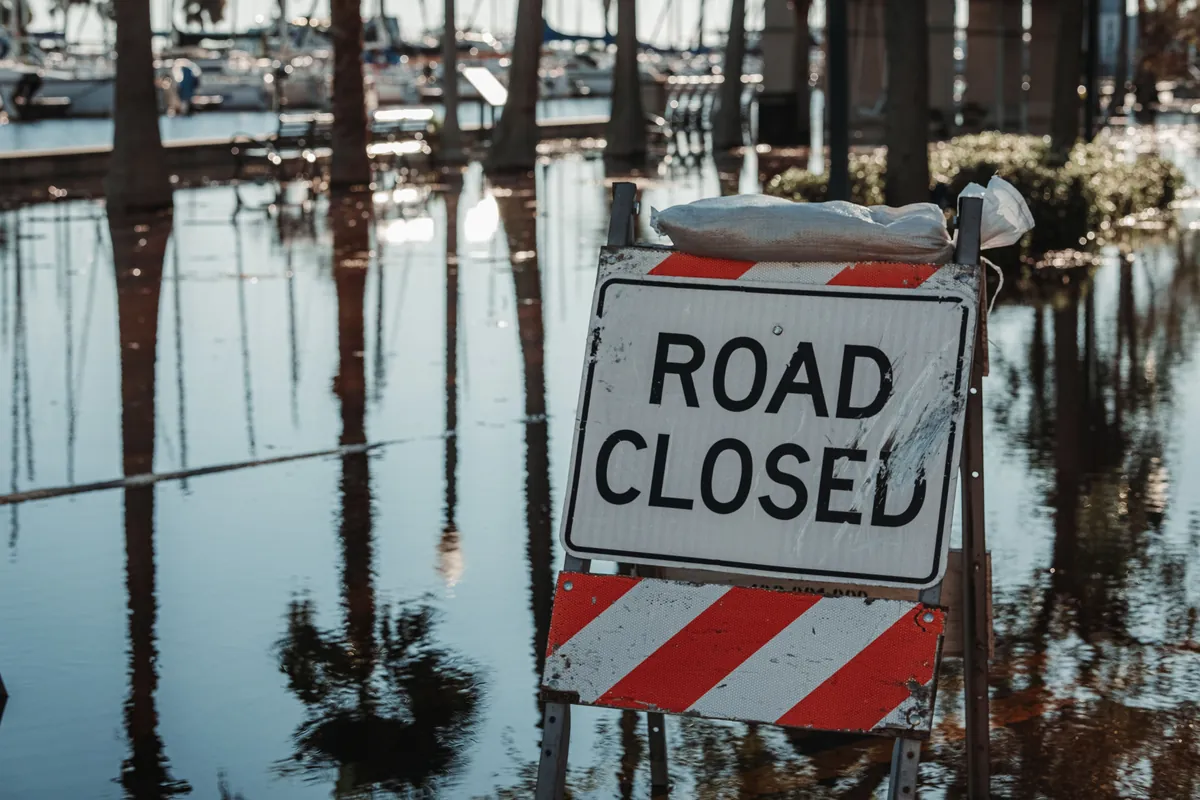
When Hurricane Beryl knocked out cellular communications in Missouri City, Texas, it raised an important question for the city’s traffic operations team: how do you monitor critical traffic infrastructure when the network connecting it goes down?
“We experienced cell blackouts, everything, the whole nine. It got me to thinking: what else is out there besides cell towers?” says Jason Abila, Traffic Operations Manager for Missouri City.
After the hurricane, Abila and his team partnered with Paradigm Traffic Systems and Applied Information to test Starlink satellite connectivity at an intersection. The results exceeded expectations. Using Applied Information’s Glance® platform, the team could remotely monitor the intersection from a phone, tablet or laptop. The connection also supported connected vehicle data, demonstrating how alternative communications can provide another way to keep critical infrastructure connected.
How Remote Traffic Technology Supports Traffic Management During Disruptions
1. Identify power outages sooner
A traffic signal loses power during a storm. Drivers approach an intersection in heavy rain, visibility gets worse and traffic begins to back up. Meanwhile, the traffic department may not know there’s a problem until someone calls it in.
Applied Information’s connected traffic cabinet technology monitors incoming AC power and alerts traffic teams when an outage occurs. Through Glance®, teams can monitor communications and equipment failures, helping them identify affected intersections and coordinate their response without waiting for someone to report a problem.
With earlier visibility into power failures, traffic teams can respond more quickly to potential hazards and coordinate repairs.
2. Understand equipment conditions remotely
When several intersections are affected, teams need more than a list of outages. They need to understand what has failed and where their attention is urgently required.
Glance® provides remote access to connected cabinet information, including voltage, battery status, cabinet flash and other operating conditions. Depending on the equipment configuration, monitoring can also include environmental and cabinet factors such as temperature, humidity, cabinet door status and fan status.
Applied Information also offers a specialized Flood Monitoring System that detects rising water levels and supports different responses based on flood severity. During the early stages of flooding, the system alerts traffic operations teams to worsening road conditions. As water levels become more dangerous, it can automatically activate connected safety infrastructure, such as flashing warning signs or road closure systems, depending on the equipment installed.
Together, these technologies give traffic engineers greater visibility into infrastructure and roadway conditions during severe weather, helping them prioritize responses and make informed decisions about when to deploy field crews.
3. Explore alternative connectivity options before emergencies occur
After Hurricane Beryl disrupted cellular service, the Missouri City tested Starlink satellite connectivity at an intersection. Combined with Glance®, the connection gave the team another way to monitor the intersection remotely and support connected vehicle data.
Satellite communications may not be the preferred choice in every scenario, but they offer another option for agencies when traditional communications networks are unavailable or unreliable . Mountainous terrain, remote locations, damaged infrastructure and widespread power disruptions can all complicate communications during severe weather and other emergencies.
Evaluating alternative connectivity options before an emergency can help traffic agencies prepare for network disruptions and identify solutions that work with their existing infrastructure.
4. Support emergency vehicle preemption
When severe weather knocks out power, the consequences can quickly become life-threatening. Residents who depend on electrically powered medical equipment may face life-threatening situations when that equipment stops working. Emergency responders need to reach these residents quickly, often while navigating roads and intersections affected by the same storm.
Emergency vehicle preemption helps equipped emergency vehicles safely navigate intersections, reducing delays and creating an orderly path to where they are needed most. Reliable communications between vehicles and traffic signals are an important part of supporting these systems.
For traffic operations teams, remote monitoring provides visibility into intersection outages that could disrupt emergency vehicle preemption, allowing them to identify issues and take corrective action to help keep first responders moving.
5. Adjust school zone beacon schedules
Severe weather can force schools to close early or change their schedules at short notice. Connected school zone systems allow authorized users to adjust supported beacon schedules remotely, without traveling to each location simply to make an update.
It’s a practical way to reduce unnecessary field visits and give agencies greater flexibility when normal routines are disrupted.
How Baton Rouge Used Glance® During Hurricane Ida
When Hurricane Ida struck Louisiana in 2021, Baton Rouge’s traffic operations team faced the critical challenge of identifying which intersections had lost power as the storm moved through the area.
With Glance®, the team could remotely monitor connected traffic cabinets and identify power outages without having to physically inspect every intersection. That visibility helped the department understand where disruptions were occurring and where attention might be needed.

For traffic agencies preparing for severe weather, Baton Rouge offers a practical example of why remote monitoring matters. Knowing which intersections are affected is the first step toward determining where to focus recovery efforts.
Although every storm presents different challenges, the need for reliable information and flexible communications remains the same. Connected infrastructure gives traffic operations teams more visibility into their systems and more options for making informed decisions when normal operations are disrupted.
Keeping Traffic Infrastructure Connected During Severe Weather
Connected infrastructure won’t stop a hurricane or eliminate every outage, but reliable remote traffic cabinet communications can make a meaningful difference in how agencies respond. They reduce uncertainty, support informed decisions and give traffic engineers more ways to monitor and manage critical traffic infrastructure when severe weather disrupts normal operations .
For agencies preparing for the next storm, one question matters: When conventional communications fail, will your team still have a way to remotely monitor its intersections and identify outages ?
Contact Applied Information to explore how Glance®, connected traffic cabinets and alternative communications can help your agency prepare for severe weather and maintain visibility and support traffic operations during and after a storm.
